The shokunin spirit is Japan’s philosophy of mastery — a lifelong commitment to one’s craft that transforms skilled artisans into living embodiments of perfection, service, and humble dedication.
Imagine a world where every object, from a meticulously brewed cup of tea to a masterfully sharpened knife, tells a story of unwavering dedication, ethical integrity, and a lifelong pursuit of perfection. This isn’t just a fantasy; it’s the profound reality cultivated by the Shokunin Spirit (職人魂, shokunin-damashii) in Japan. Far more than a simple job description, the shokunin spirit is a revered philosophy that transforms work into a sacred endeavor, imbuing every creation with the soul of its maker. It’s a mindset passed down through generations, shaping not just the hands of artisans but the very fabric of Japanese culture and its reputation for unparalleled quality. If you’ve ever marveled at the precision of a Japanese blade, the beauty of a kimono, or the sublime taste of authentic sushi, you’ve experienced the essence of shokunin. This article will unravel the layers of this fascinating concept, explaining its origins, core tenets, and enduring influence on both Japan and the global stage.
Quick Facts: Shokunin Spirit
| Detail | Information |
|---|---|
| Japanese Name | 職人魂 (Shokunin-damashii) or 職人 (Shokunin) |
| Type / Category | Cultural Philosophy / Work Ethic / Artisan Code |
| Origin | Ancient Japan, deeply rooted in the traditions of craftsmen and masters. |
| Element / Domain | Craftsmanship, dedication, mastery, continuous improvement, ethical responsibility. |
| Known For | Unwavering pursuit of perfection, profound respect for materials, process, and clients, continuous learning. |
| Modern Appearances | Influences business practices, hospitality (omotenashi), culinary arts, traditional and modern design, education. |
What Is Shokunin Spirit?
At its heart, the Shokunin Spirit is an enduring cultural ethos that defines the very essence of Japanese craftsmanship. The term “shokunin” itself refers to an artisan or craftsman, but it carries a much deeper connotation than its English translation might suggest. A shokunin is not just skilled; they embody a profound sense of pride, responsibility, and dedication to their craft, viewing their work as a vital contribution to society. This isn’t merely about achieving technical excellence; it’s about a holistic approach to one’s vocation, demanding ethical conduct, social consciousness, and a ceaseless pursuit of perfection.
The spirit dictates that a true shokunin not only creates beautiful or functional objects but also infuses them with their character and soul. It’s a commitment to going beyond expectations, ensuring that every detail, no matter how small, is executed with utmost care and precision. This philosophy emphasizes the journey of mastering a skill through tireless practice and unwavering focus, valuing the process as much as the final product. It’s a dedication to becoming one with the tools and materials, understanding their nuances, and bringing out their inherent beauty and utility.
Origins and History
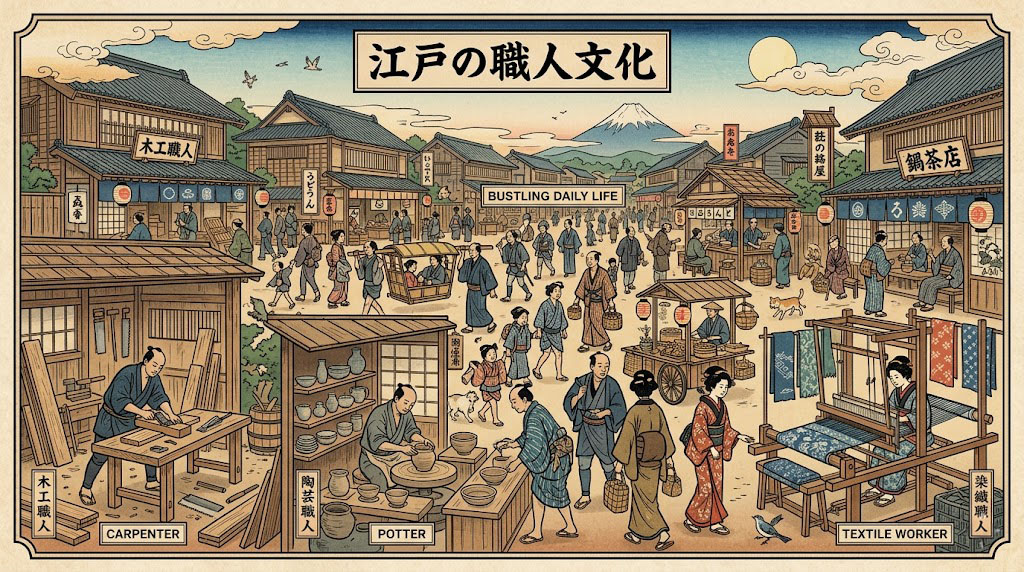
The roots of the Shokunin Spirit stretch back centuries into Japan’s rich history, evolving alongside the development of specialized crafts and the establishment of artisan guilds. While the precise origin is difficult to pinpoint, the philosophy gained prominence during the Edo period (1603-1868), a time of relative peace and prosperity that allowed for the flourishing of arts and crafts. As cities grew and demand for various goods increased, skilled artisans became indispensable, forming communities and developing intricate techniques that were often shrouded in secrecy and passed down through generations.
Early forms of shokunin spirit were influenced by Buddhist and Shinto philosophies, which emphasize respect for nature, humility, and the meditative aspects of repetitive, focused work. Artisans believed their work was a form of devotion, contributing to the harmony of society and honoring the spirits of the materials they used. This dedication was crucial for survival in a competitive landscape, pushing craftsmen to constantly refine their skills and elevate their products. The concept was not just about individual achievement but also about upholding the reputation of one’s family, school, and community.
The Core Tenets of Shokunin Spirit
The Shokunin Spirit is built upon several foundational principles that guide an artisan’s life and work. Firstly, there is an absolute commitment to quality. This isn’t about mere functionality but about reaching an ideal state where an object is both perfectly crafted and aesthetically pleasing. A shokunin understands that their work is a reflection of themselves and their lineage, and any compromise on quality is seen as a failure of character. This pursuit of excellence leads to meticulous attention to detail, precision, and an insistence on using the best possible materials, often developed or sourced through years of experience.
Mastery Through Repetition and Respect for Materials
A key aspect of the Shokunin Spirit is the idea of mastery achieved through relentless, deliberate practice and repetition. It’s not about working harder, but about working smarter and more thoughtfully, continuously honing skills until they become an extension of one’s will. This often involves years, if not decades, of apprenticeship and dedicated effort. Simultaneously, a shokunin harbors profound respect for their materials. They believe each material possesses its own spirit and characteristics that must be understood and honored. This means minimizing waste, selecting materials wisely, and shaping them in a way that accentuates their natural beauty and strength, rather than forcing them into an unnatural form.
Continuous Improvement and Social Responsibility
The concept of continuous improvement, or kaizen, is deeply embedded in the shokunin ethos. Even after achieving mastery, a true shokunin never believes their work is perfect; there is always room for refinement, new techniques to explore, and lessons to learn. This humility fuels a lifelong journey of learning and adaptation. Furthermore, the shokunin feels a strong sense of social responsibility. Their work is not just for personal gain but serves the community, providing durable, beautiful, and meaningful objects that enrich people’s lives. This responsibility extends to ethical practices, fair dealings, and often, a commitment to passing on their knowledge to the next generation, ensuring the longevity of their craft.
Shokunin Spirit vs Similar Western Concepts
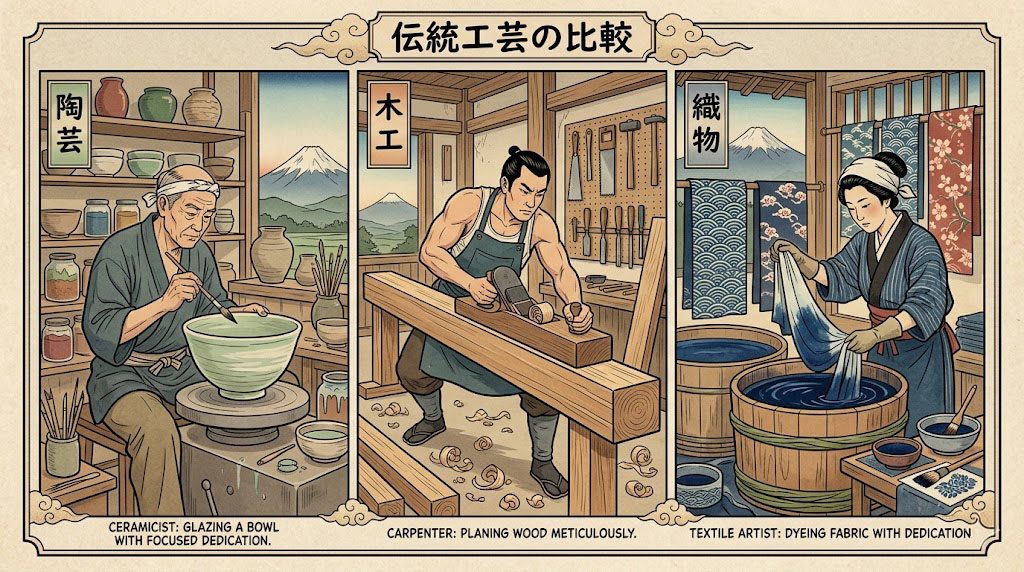
| Feature | Shokunin Spirit | Western Craftsmanship | Pure Perfectionism |
|---|---|---|---|
| Type | Holistic cultural philosophy, life’s calling | Skill-based profession, art form | Personality trait, often anxiety-driven |
| Domain | Craftsmanship, service, personal development | Art, design, skilled labor, hobby | Any task or goal-oriented activity |
| Motivation | Intrinsic pride, social duty, pursuit of excellence | Passion for creation, financial gain, reputation | Fear of failure, desire for external validation |
| Ethical Aspect | Inherent, social responsibility, integrity | Valued but not universally central to definition | Less prominent, focus on outcome not process ethics |
| Continuous Learning | Lifelong journey, humility, kaizen | Professional development, skill acquisition | Rigid adherence to standards, can resist new methods if perceived as ‘less perfect’ |
Shokunin Spirit in Modern Japan and Pop Culture
The Shokunin Spirit is far from being a relic of the past; it continues to profoundly shape modern Japan. Its principles are visible not only in traditional crafts but also permeate various industries, from cutting-edge technology to the culinary world. Master sushi chefs, revered for their decades-long dedication to honing their craft, are prime examples of shokunin. This philosophy is evident in the meticulous engineering of Japanese cars, the intricate design of consumer electronics, and the exemplary service found in hotels and restaurants, embodying the concept of omotenashi (hospitality with wholehearted sincerity). The unwavering commitment to quality and attention to detail stemming from the shokunin ethos gives Japanese products and services a distinct competitive edge globally.
Beyond tangible products, the shokunin spirit resonates in popular culture and societal values. Documentaries frequently highlight the lives of master artisans, inspiring younger generations. While direct appearances in anime or manga might be rare for the abstract concept itself, characters who embody unwavering dedication to their chosen path—be it martial arts, cooking, or sword fighting—are essentially manifesting aspects of the shokunin spirit. This global fascination with Japanese quality and dedication ensures that the philosophy continues to be studied and admired worldwide, offering a timeless model for excellence in any field.
Where to Experience This in Japan
To truly grasp the Shokunin Spirit, travelers can explore several destinations in Japan. Kyoto, a city rich in traditional arts, offers numerous workshops where you can observe artisans creating ceramics, textiles (like Nishijin-ori), and lacquerware. Visit the Kyoto Museum of Traditional Crafts to see a vast collection and live demonstrations. Kanazawa, known for its gold leaf production, samurai residences, and traditional gardens, is another excellent place to witness master craftsmanship. For a hands-on experience, consider attending a pottery or woodworking class in regional craft towns, where local shokunin share their passion and skill directly.
Frequently Asked Questions
What is the difference between a shokunin and a regular craftsman?
While both a shokunin and a regular craftsman possess skill, the difference lies in the depth of their commitment and philosophy. A shokunin embodies a holistic life’s philosophy that includes unwavering pride, ethical responsibility, social consciousness, and a ceaseless pursuit of perfection, viewing their work as a vital contribution to society. A regular craftsman might simply be skilled at their trade without necessarily adhering to these profound ethical and philosophical tenets.
How does Shokunin Spirit influence Japanese products and services today?
The Shokunin Spirit continues to profoundly influence Japanese products and services by fostering an intense focus on quality, meticulous attention to detail, and a commitment to continuous improvement (kaizen). This philosophy is evident in the precision engineering of Japanese cars and electronics, the artistry of culinary creations, and the exemplary customer service (omotenashi). It creates a culture where every aspect, from design to after-sales support, strives for excellence, thereby enhancing Japan’s global reputation for reliability and sophistication.
Can the Shokunin Spirit be applied to non-craft fields, like technology or business?
Absolutely. While originating in traditional crafts, the core principles of the Shokunin Spirit—dedication, continuous improvement, ethical responsibility, and the pursuit of perfection—are universally applicable. In technology, it can mean meticulously coding, designing user-centric interfaces, or rigorously testing products. In business, it translates to unwavering commitment to quality service, sustainable practices, and fostering a culture of excellence and respect, proving its relevance far beyond the artisan’s workshop.
Is the Shokunin Spirit about perfectionism or something more?
The Shokunin Spirit goes beyond mere perfectionism. While it certainly involves striving for flawless execution, it encompasses a broader, more holistic philosophy. It includes deep respect for materials, ethical conduct, social responsibility, and a lifelong commitment to learning and improvement, often with a humble understanding that true perfection is an unending journey. Unlike rigid perfectionism, it embraces the process, adaptability, and the contribution to society, making it a more balanced and profound approach to work and life.