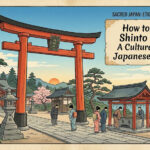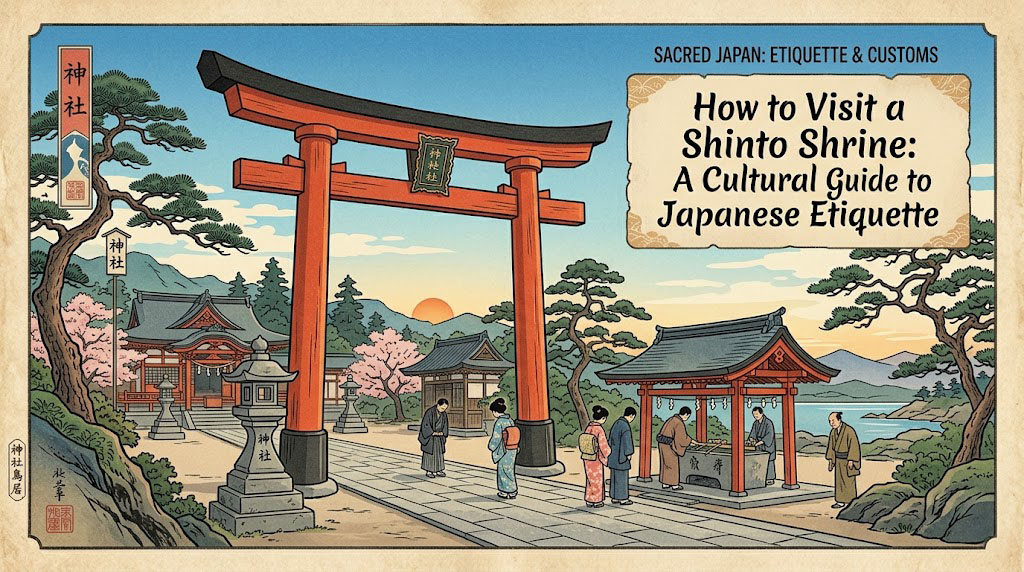
Imagine stepping through a towering vermillion gateway, leaving the bustling modern world behind for a moment of profound tranquility. The air shifts, carrying the subtle scent of ancient wood and incense, as sunlight filters through centuries-old trees. You’ve just entered a Shinto shrine, a sacred space where Japan’s indigenous spiritual traditions have flourished for millennia, a place where deities (kami) are revered, and connections between humanity and the natural world are honored. Yet, navigating the etiquette of these revered sites can feel daunting for an international visitor. Fear not, for this guide will demystify the customs, empowering you to approach a Shinto shrine with confidence, respect, and a deeper understanding of its spiritual significance.
Quick Facts: Shinto Shrine Visit Etiquette
| Detail | Information |
|---|---|
| Japanese Name | 参拝 (sanpai) – visiting a shrine/temple |
| Type / Category | Spiritual Practice / Cultural Etiquette |
| Origin | Ancient Shinto traditions of Japan |
| Element / Domain | Purity, respect, connection with Kami (deities) |
| Known For | A structured sequence of purification, prayer, and reverence |
| Modern Appearances | Essential part of Japanese life, visible in daily routines, festivals, and popular culture |
What Is Shinto Shrine Visit Etiquette?
Visiting a Shinto shrine in Japan is much more than a simple sightseeing trip; it’s an opportunity to engage with the heart of Japanese spirituality and culture. Shinto (神道, Shintō), meaning “the way of the gods,” is Japan’s indigenous religion, deeply intertwined with the natural world and the veneration of kami, or deities. These kami are not confined to a single, omnipotent being but reside in natural elements like mountains, rivers, trees, and even abstract concepts such as growth and fertility. Shrines are sacred spaces dedicated to these kami, serving as their earthly residences and places where humans can connect with them. Understanding and observing proper etiquette during your visit demonstrates respect for these sacred sites, the kami, and the local community. It also enhances your personal experience, allowing you to participate more fully in the spiritual atmosphere rather than merely observing from a distance. From the moment you step under the iconic torii gate to the final bow, each action carries meaning, inviting you to be a part of a living tradition that dates back thousands of years.
Origins and History
The roots of Shinto are as ancient as Japan itself, emerging from animistic beliefs and ancestor worship long before the arrival of Buddhism. Early Shinto practices involved worshipping kami in natural settings like sacred groves, mountains, and unique rock formations, without the need for elaborate structures. The establishment of dedicated shrine buildings evolved over centuries, with some of Japan’s oldest shrines, such as Ise Grand Shrine, tracing their lineage back over 2,000 years. The formalized rituals and etiquette we observe today are a distillation of these ancient practices, refined and passed down through generations. These customs ensure that visitors approach the sacred space with a purified mind and body, ready to show reverence to the kami. The spread of Shinto shrines across Japan mirrored the development of the nation itself, with local communities establishing shrines to protect their lands and offer blessings for harvests, health, and prosperity.
Shinto Shrine Visit: Appearance, Purification, and Prayer
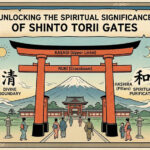
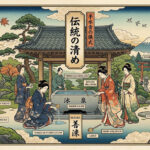
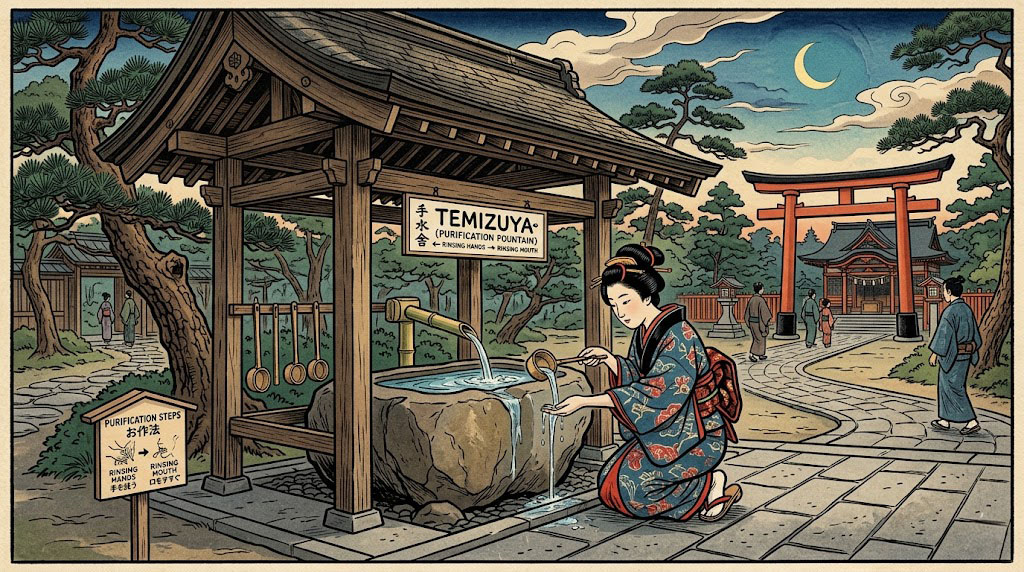
A visit to a Shinto shrine is a journey through a series of symbolic spaces, each with its own rituals and purpose. The overarching goal is to achieve a state of purity and respect before approaching the main sanctuary. Upon arrival, the first step is to pass through a torii (鳥居, torii) gate, which marks the transition from the mundane world to the sacred. Always bow once before passing through the torii, and avoid walking directly down the center of the path, known as the sando (参道, sandō), as this is reserved for the kami. Many shrines feature a chōzuya or temizuya (手水舎, temizuya) – a purification fountain – where visitors cleanse their hands and mouth. This ritual, called temizu (手水, temizu), is crucial for spiritual purification, ensuring you approach the kami with a clean body and pure heart. Understanding these initial steps sets the stage for a respectful and meaningful engagement with the shrine’s spiritual essence.
Preparing for Your Visit
Before you even arrive at the shrine, a few considerations can enhance your experience. While there’s no strict dress code, wearing neat, modest clothing is a sign of respect. Avoid overly casual attire like beachwear or revealing clothes. You’ll be doing some walking, potentially on uneven ground, so comfortable shoes are advisable. It’s also good practice to silence your phone and be mindful of your volume, maintaining a respectful quietude fitting for a sacred space. If visiting during a festival, the atmosphere will be livelier, but general decorum still applies. Carrying a small offering, typically a coin (preferably a 5-yen coin, go-en, which sounds like “good縁-en” or “good connection,” symbolizing a good connection with the kami), is customary for the main prayer. These preparations demonstrate foresight and cultural sensitivity, setting the right tone for your spiritual journey.
The Sacred Space and Offerings
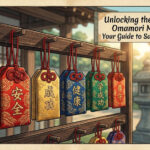
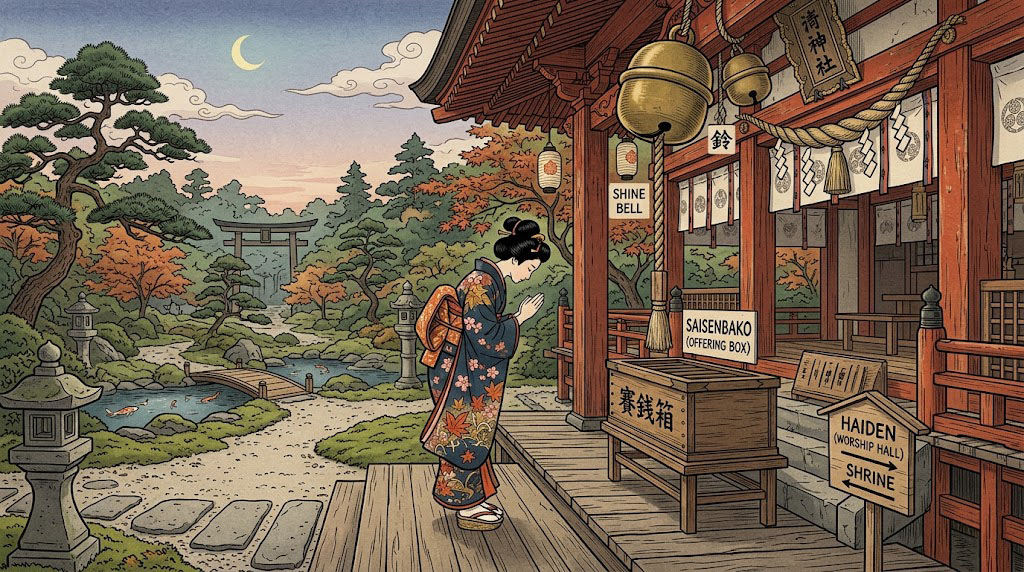
After purification, you will typically proceed to the main hall, or honden (本殿, honden), though visitors usually approach the haiden (拝殿, haiden), the hall of worship, where prayers are offered. At the haiden, you’ll find a large offering box, or saisenbako (賽銭箱, saisenbako), and often a bell. The common prayer ritual is known as “two bows, two claps, one bow” (二礼二拍手一礼, nirei nihakushu ichirei). First, toss your coin gently into the saisenbako. Then, bow twice deeply. Next, clap your hands twice firmly to get the kami’s attention. Make your wish or offer your prayer silently. Finally, bow once deeply again. During your visit, you might also see visitors purchasing omamori (お守り, omamori), protective amulets, or writing wishes on ema (絵馬, ema), wooden plaques, which are then hung at the shrine for the kami to receive. Remember to walk quietly and avoid pointing.
Shinto Shrine Visit vs Similar Spiritual Traditions
| Feature | Shinto Shrine Visit | Buddhist Temple Visit | Western Church Visit |
|---|---|---|---|
| Primary Focus | Veneration of Kami, purification, connection to nature | Worship of Buddha, meditation, spiritual enlightenment | Worship of God, prayer, community fellowship |
| Main Sacred Symbol | Torii gate | Sanmon gate, pagodas, Buddha statues | Cross, altar |
| Purification Ritual | Temizu (rinsing hands & mouth) | Often none required upon entry, incense burning common | None explicitly at entry, often personal confession/prayer |
| Prayer Method | “Two bows, two claps, one bow” | Gassho (hands together), silent prayer, sutra chanting | Kneeling, silent prayer, hymns |
| Offerings | Coins (saisen), ema, sake, food | Incense, flowers, candles, money | Tithes, food donations, candles |
| Deities/Figures | Kami (indigenous deities) | Buddha, Bodhisattvas | God, Jesus, saints |
Shinto Shrine Etiquette in Modern Japan and Pop Culture
Shinto shrines remain an integral part of daily life and national identity in modern Japan. They are not merely historical relics but vibrant centers of community and spiritual practice. From New Year’s Day first visits (hatsumōde) to celebrating children’s milestones (shichi-go-san) and seeking blessings for new ventures, shrines play a pivotal role in Japanese cultural life. The serene atmosphere of a shrine offers a tranquil escape from urban bustle, making them popular spots for quiet contemplation. In pop culture, Shinto shrines frequently appear in anime, manga, and video games, often as settings for spiritual awakenings, supernatural events, or traditional festivals. Series like “Inuyasha,” “Noragami,” and “Spirited Away” beautifully weave Shinto elements, including shrine maidens (miko), kami, and torii gates, into their narratives, captivating global audiences and sparking interest in Japan’s rich spiritual heritage. This pervasive presence ensures that the traditions of Shinto continue to resonate deeply, both within Japan and among international enthusiasts.
Where to Experience This in Japan
To truly immerse yourself in the Shinto shrine experience, consider visiting some of Japan’s most iconic and atmospheric shrines. The Fushimi Inari-taisha (伏見稲荷大社, Fushimi Inari-taisha) in Kyoto, famous for its thousands of vermillion torii gates, offers a breathtaking (and lengthy) pathway through sacred nature. For a glimpse into ancient imperial Shinto, the Ise Grand Shrine (伊勢神宮, Ise Jingū) in Mie Prefecture, the holiest of all Shinto shrines, provides a profound sense of history and reverence. In Tokyo, the expansive Meiji Jingu (明治神宮, Meiji Jingū), nestled within a tranquil forest, offers a peaceful retreat right in the heart of the bustling city. Each of these shrines provides a unique opportunity to practice the etiquette learned and connect with Japan’s spiritual heartland.
Frequently Asked Questions
Is it disrespectful to take photos at a Shinto shrine?
Generally, taking photos at Shinto shrines is permitted, especially of the grounds, buildings, and torii gates. However, it’s crucial to be respectful: avoid photographing people without their permission, refrain from using flash inside halls, and never photograph areas clearly marked as off-limits or during sacred rituals. Always prioritize reverence over photography, and if unsure, observe what others are doing or simply put your camera away.
Do I have to make an offering when visiting a Shinto shrine?
While making an offering (saisen) is a traditional part of the prayer ritual at a Shinto shrine, it is not strictly mandatory for every visitor. It is a symbolic gesture of gratitude and a way to establish a connection with the kami. If you choose not to offer a coin, you can still perform the “two bows, two claps, one bow” ritual respectfully. The most important aspect is to approach the shrine with a sincere heart and a respectful attitude.
What does the torii gate symbolize, and how should I pass through it?
The torii gate is the most iconic symbol of a Shinto shrine, acting as a sacred gateway that separates the profane world from the sacred realm of the kami. It signifies that you are entering a hallowed space. When passing through a torii, it is customary to stop just before it, bow once, and then proceed. It’s also traditional to avoid walking directly down the center of the path (sando), as this is believed to be the kami’s path; instead, walk along the sides.
What is the proper way to use the temizuya (purification fountain)?
The temizuya ritual is a vital step for purification. First, take the ladle with your right hand, scoop water, and pour some over your left hand. Then, switch the ladle to your left hand and pour water over your right hand. Next, transfer the ladle back to your right hand, cup your left hand to receive water, and rinse your mouth (do not drink directly from the ladle). Finally, rinse your left hand one last time, then tilt the ladle vertically so the remaining water cleanses the handle before returning it to its original place. This sequence symbolizes cleansing both body and mind.