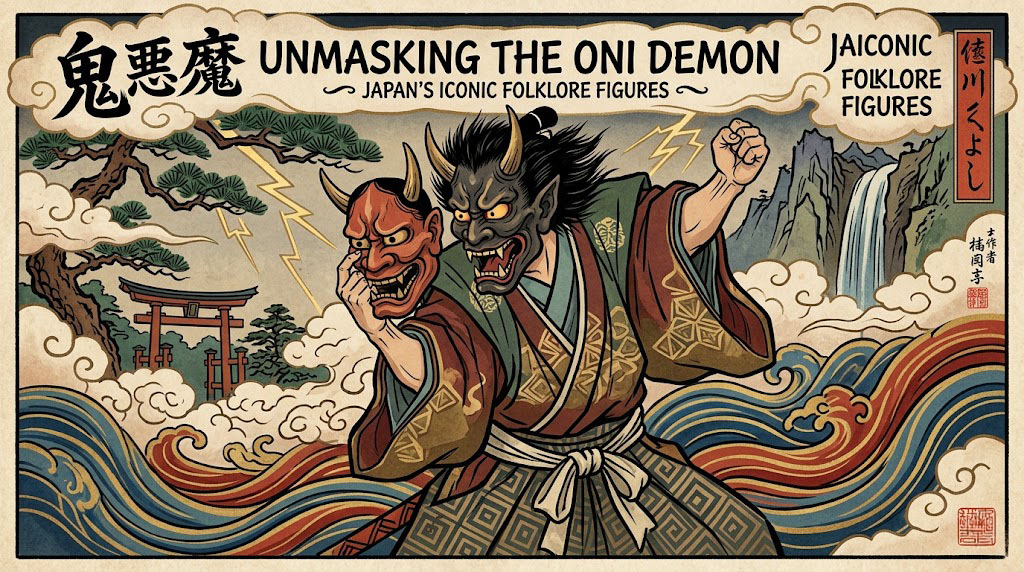
The oni demon is Japan’s most iconic supernatural creature — a fearsome horned giant wielding an iron club, whose terrifying image has shaped Japanese folklore, Buddhism, and culture for over a thousand years.
Imagine a thunderous roar echoing through ancient mountains, followed by the ground trembling beneath your feet. Before you stands a towering figure: skin the color of dried blood or deep sapphire, eyes burning with untamed fury, two sharp horns piercing the sky from its head, and in its grip, an iron club bristling with studs, ready to crush anything in its path. This formidable entity is the oni (鬼, oni), one of the most iconic and terrifying figures in Japanese folklore. More than mere monsters, oni are complex beings representing primal forces, often personifying evil, disease, and disaster, yet sometimes embodying protection and strength. Their presence is deeply woven into the fabric of Japanese culture, from ancient myths and religious beliefs to vibrant festivals and cutting-edge pop culture. But what exactly are these horned giants, where did they come from, and why do they continue to captivate imaginations worldwide? Prepare to delve into the fascinating and fearsome world of the oni, as we uncover the true nature of Japan’s most famous demons.
Quick Facts: Oni Demon
| Detail | Information |
|---|---|
| Japanese Name | 鬼 (oni) |
| Type / Category | Yokai / Demonic Humanoid / Yasha-kind |
| Origin | Ancient Japan, influenced by Buddhist concepts of hell and Indian mythology |
| Element / Domain | Mountains, storms, hell, disease, punishment, often associated with strength and chaos |
| Known For | Fearsome appearance (horns, fangs, colored skin), superhuman strength, wielding iron clubs (kanabō), symbolizing evil or protection |
| Modern Appearances | Dragon Ball (King Yemma’s attendants), Demon Slayer: Kimetsu no Yaiba, Nioh, Sekiro: Shadows Die Twice, Inuyasha, Pokémon (Ogrepon) |
What Is the Oni Demon?
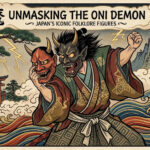
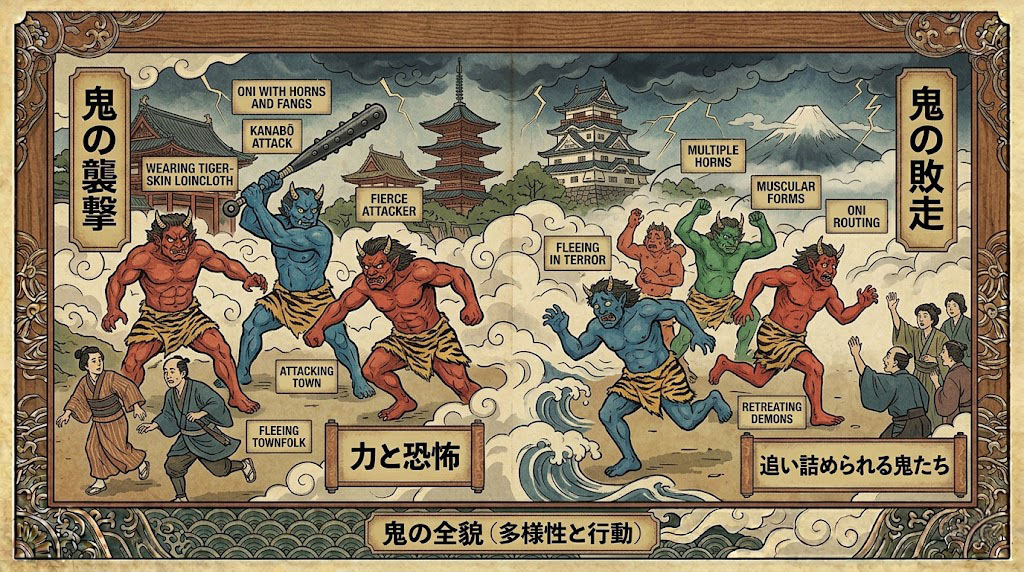
The oni demon is a supernatural entity deeply embedded in Japanese mythology, recognized instantly by its grotesque appearance: typically large, muscular, with vibrant red or blue skin, sharp claws, wild hair, and one or two prominent horns protruding from its forehead. They often wear tiger-skin loincloths and are famously associated with their weapon of choice, the formidable iron club known as a kanabō (金棒, kanabō). While often portrayed as malevolent, destructive forces, capable of causing natural disasters, devouring humans, and spreading disease, their role in folklore is not entirely one-dimensional.
Oni are often seen as agents of punishment, serving the judges of the afterlife in Buddhist hell (Jigoku), or as metaphorical representations of human vices like anger, greed, and jealousy. However, paradoxically, they can also be benevolent guardians, warding off evil spirits or protecting sacred places. Their dual nature makes them complex figures, reflecting the multifaceted aspects of human nature and the world itself. Understanding the oni means grasping this spectrum of roles, from terrifying antagonists to symbolic protectors, making them much more than simple monsters.
Origins and History
The origins of the oni are as ancient and complex as Japan’s spiritual landscape itself. Early concepts of oni likely evolved from amorphous, invisible spirits or deities that brought disaster, famine, and disease. The term “oni” itself is thought to derive from “on” (隠, on), meaning to hide or conceal, suggesting their original elusive nature. As Buddhism spread to Japan from the 6th century onwards, these native spirits began to merge with Buddhist iconography, particularly the fearsome guardians of hell known as yaksha (夜叉, yasha) from Indian mythology and the Chinese concept of guǐ (鬼, guǐ) or ghosts/demons.
This fusion gave the oni their more concrete, monstrous forms, making them visible personifications of evil and divine wrath. Early historical records, such as the 8th-century Kojiki and Nihon Shoki, contain references to monstrous beings, laying the groundwork for the oni as we know them. Over centuries, their imagery became solidified through art, literature, and religious practices, with their distinct horned, fanged appearance becoming a powerful symbol across Japan. Many legends trace back to specific regions, often mountain passes or isolated areas, where encounters with these powerful beings were said to have occurred.
Oni’s Appearance, Powers, and Behavior
The physical manifestation of an oni is arguably its most striking feature. Typically towering over humans, their skin color varies, with red (aka oni, 赤鬼) and blue (ao oni, 青鬼) being the most common, though green, black, and yellow oni also appear in folklore. They possess fearsome faces, often with prominent fangs and a wide, menacing grin. Their wild, dishevelled hair adds to their savage appearance, as do their sharp claws on both hands and feet. The signature horns, usually one or two, symbolize their demonic nature. Their attire is simple but iconic: a tiger-skin loincloth. Beyond their imposing physique, oni are renowned for their incredible superhuman strength, often described as capable of tearing down buildings, uprooting trees, and crushing adversaries with their bare hands. Their durability is equally legendary, making them extremely difficult to defeat in combat.
Powers and Abilities
Oni are not just brute-force monsters; they possess an array of supernatural abilities that make them truly formidable. Their primary attribute is immense physical power, often augmented by their iconic kanabō, which they wield with terrifying precision and force. This weapon has become synonymous with their destructive nature, giving rise to the Japanese proverb “Oni ni kanabō” (鬼に金棒), meaning “giving a kanabō to an oni” – adding strength to one already powerful, or making an invincible person even stronger. Beyond brute strength, many oni are said to possess rudimentary magic, including shapeshifting to appear human and deceive their victims, the ability to fly, and even the power to summon storms or earthquakes. Their regenerative abilities also contribute to their fearsome reputation, allowing them to recover from injuries that would be fatal to ordinary beings.
Regional Variations and Notable Oni
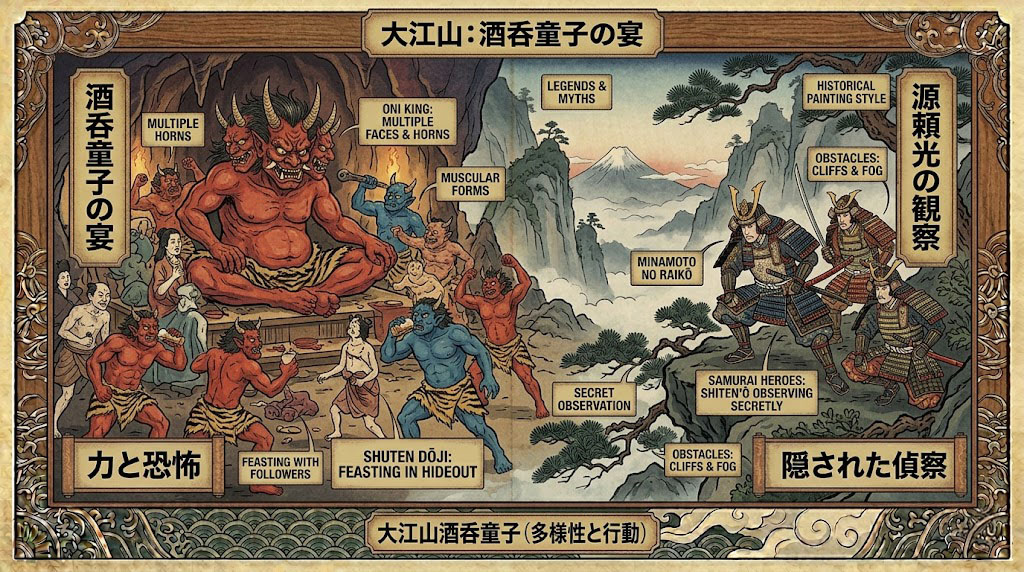
While the general image of the oni remains consistent across Japan, regional folklore introduces fascinating variations and specific legends. For instance, the legend of Shuten Dōji (酒呑童子), a powerful and infamous oni king who terrorized the capital from his mountain fortress in Ōe-yama (Kyoto Prefecture), is one of Japan’s most famous tales, depicting him as a cunning leader of a bandit-oni gang. This story survives in visual form too: the 14th-century Ōeyama Ekotoba scroll, one of the oldest illustrated versions of the Shuten-dōji legend, is held today at Osaka’s Itsuō Art Museum. As Noriko Reider, professor of Japanese at Miami University, writes in Japanese Demon Lore: Oni from Ancient Times to the Present (2010), tales like this reveal how oni often served as a canvas for anxieties about outsiders and social disorder — not just as monsters, but as reflections of what a community feared.
Another famous oni, the “crying red oni” from a children’s story, portrays a benevolent oni who sacrifices his own reputation to help his blue oni friend gain human companionship. Some tales speak of oni born from exceptionally wicked humans, transforming after death, while others describe them as inhabiting specific mountains or caves, guarding treasures or simply living in isolation. The duality of red and blue oni is also significant; red oni often symbolize passion, anger, and ferocity, while blue oni can represent sadness, restraint, or occasionally a more calculating evil. These regional tales and symbolic distinctions enrich the oni’s mythological tapestry.
Oni Demon vs Similar Yokai and Concepts
| Feature | Oni Demon | Tengu | Hannya |
|---|---|---|---|
| Type | Demonic humanoid, powerful yokai | Mountain kami (deity) or yokai, bird-like features | Demonic mask/representation of female jealousy/rage, not a standalone creature |
| Domain | Hell (Jigoku), mountains, storms, human vices | Sacred mountains, forests, martial arts | Noh theater, human emotions, curses |
| Danger Level | Extremely high, physically destructive, malevolent | High, tricksters, kidnapping, but sometimes protective or righteous | Metaphorical danger (human emotion), but a powerful evil spirit if manifested |
| How to appease | 驱鬼 (Oni-yarai) rituals, throwing roasted beans during Setsubun, warding charms | Offerings at shrines, respectful conduct in mountains, mastering martial arts | Exorcism, Buddhist rituals to calm spirits, self-reflection |
| Modern pop culture | Demon Slayer, Dragon Ball, Nioh, Sekiro, Pokémon (Ogrepon) | Nioh, Sekiro, Ghost of Tsushima, Kena: Bridge of Spirits, Princess Mononoke | Noh plays, tattoos, Ghostwire: Tokyo, various horror media |
Oni Demon in Modern Japan and Pop Culture
The terrifying grandeur of the oni demon has ensured its enduring presence in modern Japanese culture and its significant reach into global pop media. Every year during the Setsubun (節分, setsubun) festival, individuals dress as oni for traditional bean-throwing rituals (mame-maki, 豆撒き), where participants chant “Oni wa soto! Fuku wa uchi!” (“Demons out! Fortune in!”) to drive away evil and invite good luck. This practice highlights the oni’s role as a potent symbol of adversity to be overcome. Beyond folk rituals, oni imagery is pervasive in contemporary entertainment. Anime series like “Demon Slayer: Kimetsu no Yaiba” feature powerful and tragic oni as central antagonists, exploring their origins and vulnerabilities. Video games such as “Nioh” and “Sekiro: Shadows Die Twice” pit players against formidable oni bosses, challenging their combat prowess. The influence extends to character designs in “Dragon Ball” (King Yemma’s attendants) and even popular culture phenomena like Pokémon (Ogrepon). This continued presence demonstrates the oni’s timeless appeal, offering both thrilling monstrous adversaries and complex narrative archetypes that resonate with audiences worldwide, embodying both fear and a surprising capacity for understanding.
Where to Experience This in Japan
To truly connect with the spirit of the oni in Japan, consider visiting specific locations and participating in seasonal events. The most direct experience is during the Setsubun festival, held annually in early February at temples and shrines nationwide, where you can witness (or partake in) the lively bean-throwing ceremonies. Specific locations like the Sanja-matsuri (三社祭) in Tokyo, one of Japan’s most famous festivals, sometimes features participants in oni masks and costumes. For a deeper historical insight, explore Buddhist temples that feature guardian statues, as some of these fierce figures draw inspiration from oni-like imagery. The Jigoku Meguri (地獄巡り, Hell Tour) in Beppu, Oita Prefecture, while not directly about oni, provides a vivid landscape of boiling hot springs and dramatic geological formations, often depicted in Buddhist hell imagery where oni are said to reside. Keep an eye out for local crafts and souvenirs, as oni masks and figurines are popular mementos.
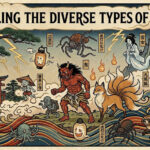
Oni belong to a wider cast of yokai figures, including the river-dwelling Kappa and the mountain guardian Tengu, each carrying its own warnings and legends.
Frequently Asked Questions
Are oni always evil in Japanese folklore?
While commonly depicted as malevolent and destructive beings, oni are not always evil. Their role in Japanese folklore is surprisingly complex and can vary depending on the specific legend or region. Many stories portray them as agents of divine punishment or personifications of negative human emotions like greed and anger. However, some tales show them as benevolent guardians, protectors of temples, or even reformed beings who learn compassion, such as the famous “Crying Red Oni” story. They can also symbolize raw, untamed nature rather than inherent evil.
What is the significance of the oni’s club (kanabō)?
The kanabō (金棒), a heavy iron club often studded with spikes, is the signature weapon of the oni and holds significant cultural symbolism. It represents the oni’s immense physical strength, their destructive power, and their ability to overcome any obstacle with brute force. The Japanese proverb “Oni ni kanabō” (giving an oni an iron club) perfectly encapsulates this, meaning to make something already strong even stronger. It’s a visual metaphor for overwhelming power and invincibility, often associated with a force that is difficult, if not impossible, to contend with.
How can one protect themselves from oni?
Protection from oni in Japanese folklore often involves rituals, charms, and specific substances. The most famous protective ritual is the Setsubun festival’s mame-maki (bean-throwing), where roasted soybeans are thrown to purify a space and drive away oni. Other methods include placing sardine heads and holly leaves at entrances, as the smell and sharp points are said to repel them. Buddhist prayers and talismans (ofuda) from shrines and temples are also believed to offer protection. Ultimately, these practices are symbolic ways to ward off evil and invite good fortune, both literally and metaphorically.
What’s the difference between an oni and a yokai?
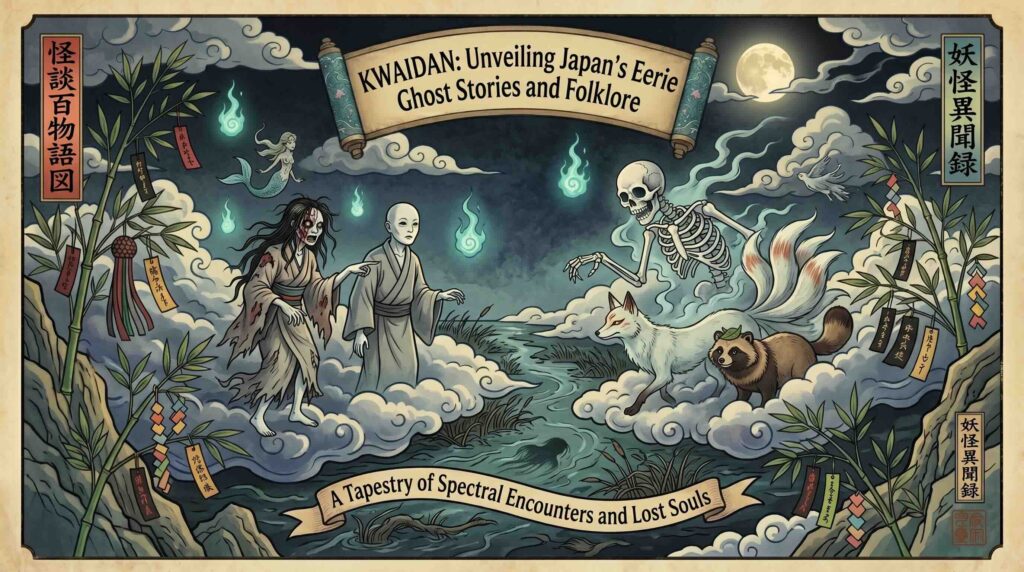
The relationship between oni and yokai (妖怪) is a hierarchical one: oni are a specific type of yokai, but not all yokai are oni. Yokai is a broad, umbrella term in Japanese folklore that encompasses all manner of supernatural creatures, monsters, spirits, ghosts, and mysterious phenomena. This vast category includes everything from mischievous kappas and shape-shifting kitsune to animated household objects (tsukumogami) and benevolent deities. Oni, with their distinct demonic appearance and often malevolent nature, fit neatly within this larger classification as one of the most powerful and recognizable forms of yokai.